
Special Offer! 🎉 Get 10% OFF.
Please contact us on WhatsApp.
The world of entertainment is undergoing a significant transformation, driven by advancements in streaming technology. At the forefront of this revolution is IPTV, a innovative way to deliver television content over the internet.

what is iptv
IPTV, or Internet Protocol Television, allows users to stream live TV, on-demand content, and catch-up TV on their devices, providing a more personalized and flexible viewing experience. With IPTV technology, users can access a vast library of content, including TV shows, movies, and sports events, from anywhere with an internet connection.
Key Takeaways
- IPTV delivers television content over the internet.
- IPTV provides a more personalized and flexible viewing experience.
- Users can access live TV, on-demand content, and catch-up TV.
- IPTV technology allows for a vast library of content.
- IPTV is accessible from anywhere with an internet connection.
The Fundamentals of IPTV
As we dive into the world of IPTV, it’s essential to understand the basics of this innovative streaming technology. IPTV stands for Internet Protocol Television, fundamentally changing how we consume television content.
Definition and Basic Concept
IPTV is a service that provides television programming through the internet, using Internet Protocol (IP) to deliver content. Unlike traditional TV, IPTV streams content directly to your device via a broadband connection, offering a more personalized viewing experience. This technology allows for a range of services, including live TV, on-demand content, and time-shifted media.

IPTV definition
How IPTV Differs from Traditional Television
IPTV differs significantly from traditional television in several key ways. Firstly, it doesn’t rely on traditional broadcast methods like satellite or cable. Instead, it uses the internet, which enables greater interactivity and a more customized viewing experience. Additionally, IPTV allows for multicast capabilities, where multiple channels can be delivered simultaneously over a single internet connection, unlike traditional TV, which broadcasts content in a linear fashion.
Furthermore, IPTV services often include features like video-on-demand (VOD) and catch-up TV, which are not typically available with traditional TV without additional hardware. This flexibility and range of content make IPTV an attractive option for viewers looking for more than just the standard TV experience.
What is IPTV and How Does It Work?
Understanding how IPTV works requires a look into its technical backbone, which supports a wide range of streaming services. IPTV, or Internet Protocol Television, relies on a robust infrastructure to deliver high-quality video content to users over the internet.
The Technical Infrastructure Behind IPTV
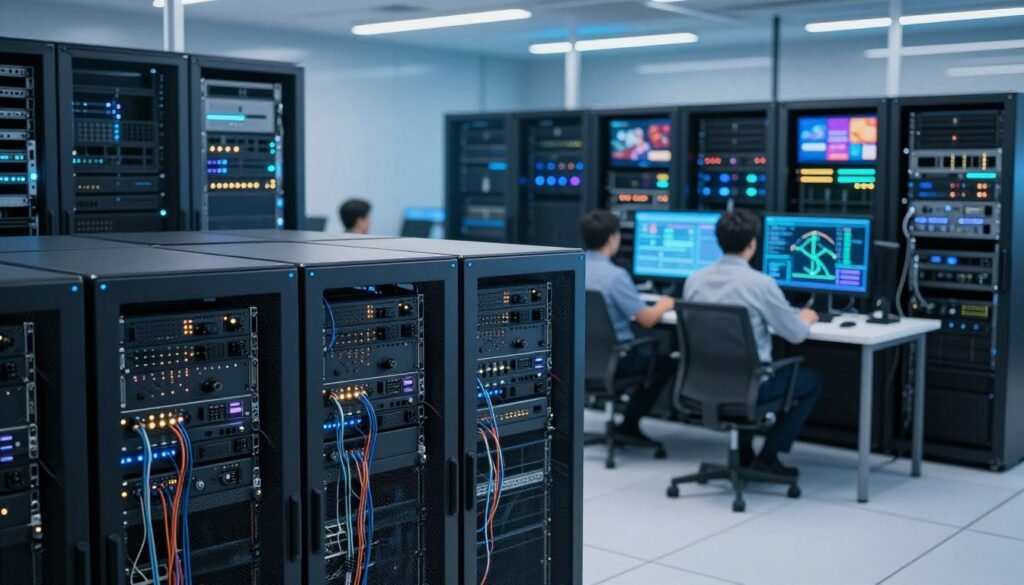
The technical infrastructure of IPTV includes a combination of hardware and software components. These components work together to ensure that video content is delivered efficiently and effectively. IPTV servers store and process video content, while content delivery networks (CDNs) help distribute this content across different geographic locations, reducing latency and improving streaming quality.

IPTV technology infrastructure
Data Transmission and Streaming Protocols
Data transmission in IPTV is facilitated by various streaming protocols. These protocols dictate how data is packaged, transmitted, and received over the internet. Understanding these protocols is crucial to grasping how IPTV works.
Unicast vs. Multicast Delivery Methods
IPTV uses two primary delivery methods: unicast and multicast. Unicast is used for Video on Demand (VOD) services, where content is delivered to a single user. Multicast, on the other hand, is used for live television streaming, where the same content is delivered to multiple users simultaneously, reducing bandwidth usage.
Common IPTV Protocols Explained
Common protocols used in IPTV include RTSP (Real-Time Streaming Protocol), RTP (Real-Time Transport Protocol), and UDP (User Datagram Protocol). These protocols work together to ensure that video content is streamed smoothly and efficiently. For instance, RTSP is used to control streaming media servers, while RTP is used for transmitting real-time data.
Types of IPTV Services
The world of IPTV offers a diverse range of services catering to different viewer needs. IPTV services have become increasingly popular due to their flexibility and wide range of content offerings.
Live Television Streaming
Live television streaming is one of the core IPTV services, allowing users to watch their favorite TV channels in real-time over the internet. This service is ideal for those who want to keep up with live events, news, and sports.
Video on Demand (VOD) Services
Video on Demand (VOD) services provide users with the ability to select and watch content at their convenience. VOD libraries often include a wide range of movies, TV shows, and documentaries, making it a popular choice for those who prefer to watch content on their own schedule.
Time-Shifted Media and Catch-Up TV
Time-shifted media and catch-up TV services enable viewers to watch previously aired content at a later time. This is particularly useful for programs that were missed during their initial broadcast. Catch-up TV is a convenient feature that enhances the overall viewing experience.
These IPTV services collectively offer a comprehensive and flexible viewing experience, catering to various preferences and viewing habits.
IPTV vs. Other Streaming Technologies
With so many streaming options available, it’s essential to examine how IPTV differs from cable TV, OTT services, and smart TV platforms. Understanding these differences can help consumers make informed decisions about their viewing preferences.
IPTV vs. Cable and Satellite TV
IPTV offers a more flexible and potentially cost-effective alternative to traditional cable and satellite TV. Unlike cable and satellite, IPTV streams content over the internet, allowing for more personalized viewing experiences. However, IPTV requires a stable internet connection, which can be a drawback in areas with poor connectivity.
IPTV vs. OTT Services Like Netflix and Hulu
OTT services such as Netflix and Hulu provide on-demand content, whereas IPTV typically offers live TV streaming along with VOD content. IPTV’s live streaming capability makes it more akin to traditional TV, while OTT services are more focused on on-demand viewing. The choice between IPTV and OTT services depends on the viewer’s preference for live versus on-demand content.
IPTV vs. Smart TV Platforms
Smart TV platforms integrate various streaming services into a single interface, often including IPTV apps. While smart TVs offer a broad range of streaming options, IPTV is specifically designed for live TV and linear programming. IPTV on smart TVs combines the benefits of traditional TV with the flexibility of internet streaming.
Hardware Requirements for IPTV
Understanding the hardware requirements is crucial for a seamless IPTV experience. IPTV can be accessed through various devices, each with its own set of specifications and capabilities.
IPTV Set-Top Boxes and Dedicated Devices
IPTV set-top boxes are dedicated devices designed specifically for streaming IPTV content. Brands like Android TV boxes and Apple TV offer high-quality streaming capabilities. These devices are equipped with processors that handle video decoding, ensuring smooth playback.
Smart TVs come with built-in IPTV apps, making it easy to access IPTV services directly on the TV without needing additional devices. Most modern smart TVs support popular IPTV apps, providing a user-friendly interface and high-quality streaming.
Mobile Devices and IPTV Compatibility
IPTV is also accessible on mobile devices, including smartphones and tablets. Many IPTV services offer dedicated apps for Android and iOS, allowing users to stream content on the go. Ensure your mobile device meets the minimum specifications required for smooth IPTV streaming.
By choosing the right hardware, you can enhance your IPTV viewing experience, enjoying high-quality streams and a wide range of content options.
Setting Up IPTV at Home
To enjoy IPTV, you’ll need to ensure your home network meets specific requirements. A stable and fast internet connection is crucial for high-quality streaming.
Internet Requirements for Quality Streaming
A good internet connection is the backbone of IPTV. For standard definition (SD) streaming, a minimum speed of 3 Mbps is recommended, while high definition (HD) requires at least 5 Mbps, and 4K streaming needs 25 Mbps or more.
Bandwidth Recommendations
It’s essential to check your internet plan’s bandwidth to ensure it can handle IPTV streaming. Most providers offer plans with sufficient bandwidth, but it’s crucial to choose one that meets your viewing needs.
Router Considerations
Your router plays a significant role in IPTV streaming quality. Ensure your router is placed in a central location and is capable of handling the bandwidth required for IPTV.
Step-by-Step Setup Guide
Setting up IPTV involves connecting your IPTV device to your TV and configuring it to your network. Most devices come with a straightforward setup process. Simply follow the on-screen instructions to complete the setup.
Troubleshooting Common Connection Issues
If you encounter issues with your IPTV connection, check your internet speed and ensure your router is functioning correctly. Restarting your IPTV device and router can often resolve connectivity problems.
Popular IPTV Services in the United States
Legal IPTV providers in the United States are thriving, offering a variety of subscription models and channel packages. This diversity caters to the different needs and preferences of viewers across the country.
Legal IPTV Providers and Their Offerings
Several legal IPTV providers have gained popularity in the US market. Providers like AT&T TV Now, Hulu with Live TV, and Sling TV offer a range of channel packages that include sports, news, and entertainment.
These services provide consumers with flexibility and customization options, allowing them to choose channels and content that best suit their viewing habits.
Features and Pricing Comparison
When comparing IPTV services, features, and pricing are crucial factors. Services vary in their channel offerings, with some specializing in sports or international content.
Subscription Models Explained
IPTV providers offer various subscription models, including month-to-month, annual, and promotional plans. Some services also offer add-ons for premium content or additional features.
Channel Packages and Premium Content
Channel packages range from basic to premium, with some services offering à la carte channel selection. Premium content, such as sports and movie channels, often requires an additional fee.
By understanding the different subscription models and channel packages available, consumers can make informed decisions about their IPTV service choices.
Benefits of Using IPTV
As a modern alternative to traditional television, IPTV brings several benefits that enhance the viewing experience. IPTV offers a more personalized and flexible way to consume television, catering to the diverse needs of today’s viewers.
Content Variety and Programming Flexibility
One of the significant IPTV benefits is the vast content variety it offers. Unlike traditional TV, IPTV provides access to a wide range of channels and on-demand content, allowing users to watch what they want, when they want. This flexibility in programming is a major draw for many users.
Cost-Effectiveness Compared to Traditional TV
IPTV is often more cost-effective than traditional TV services. Users can choose from various subscription plans, and the absence of expensive hardware like satellite dishes reduces overall costs. This makes IPTV an attractive option for budget-conscious viewers.
Multi-Device Accessibility and Viewing Options
Another key advantage of IPTV is its multi-device accessibility. Users can watch their favorite shows and movies on a variety of devices, including smart TVs, smartphones, tablets, and computers. This flexibility allows for a seamless viewing experience across different platforms.
Potential Drawbacks and Limitations
While IPTV offers numerous benefits, it also comes with several drawbacks that users should be aware of. One of the primary concerns is its dependency on a stable internet connection, which can be a significant limitation.
Internet Dependency and Reliability Issues
IPTV relies heavily on a fast and reliable internet connection. Any disruptions or slowdowns in the internet service can directly impact the quality of the IPTV streaming, leading to frustration for users. Reliability issues can stem from various factors, including network congestion and ISP throttling.
Quality, Buffering, and Latency Concerns
Users may experience buffering and latency issues, particularly if their internet plan is not sufficient for high-definition streaming. The quality of the stream is directly tied to the bandwidth available, making it essential for users to have a robust internet plan.
Technical Knowledge Requirements for Optimal Use
To get the most out of IPTV, users need to have a certain level of technical knowledge. This includes understanding how to configure their setup, troubleshoot common issues, and optimize their internet connection for streaming.
Legal Considerations for IPTV Users
IPTV users in the United States need to navigate a complex legal environment to ensure they are using services legally. The distinction between legal and illegal IPTV services is crucial, as is understanding the copyright issues and regulations that govern IPTV in the US.
Understanding Legal vs. Illegal IPTV Services
Legal IPTV services operate with the necessary licenses and permissions to distribute content. They provide a legitimate alternative to traditional TV viewing, offering a range of channels and on-demand content. In contrast, illegal IPTV services pirate content, often at a lower cost, but pose significant legal risks to users. Using unlicensed IPTV services can result in fines and other legal consequences.
Copyright Issues and Regulations in the US
Copyright laws in the US are designed to protect content creators and distributors. IPTV services must comply with these laws by obtaining the necessary rights to broadcast content. Copyright infringement is a serious offense, and users of illegal IPTV services may be liable. As stated by the US Copyright Office, « Copyright infringement can result in statutory damages of up to $150,000 per infringed work. » Users should be aware of these regulations to avoid potential legal issues.
« The law is clear: using pirated IPTV services is illegal and can have serious consequences. »
— Federal Trade Commission
The Future of IPTV Technology
IPTV technology is on the cusp of a significant transformation, driven by emerging trends and innovations. As the media landscape continues to evolve, IPTV is poised to play an even more central role in how we consume content.
Advancements in Streaming Technology
The future of IPTV will be shaped by advancements in streaming technology, including improved compression algorithms and enhanced streaming protocols. These developments will enable higher quality streams and more reliable connections, even on lower bandwidth networks. Furthermore, the integration of artificial intelligence (AI) and machine learning (ML) will personalize the viewing experience, offering users content recommendations based on their viewing habits.
Integration with Smart Home Systems
Another significant trend is the integration of IPTV with smart home systems and the Internet of Things (IoT). As homes become increasingly connected, IPTV services will be able to interact with other devices, creating a seamless viewing experience. For example, IPTV apps on smart TVs will be able to communicate with smart home devices, allowing for voice control and synchronized lighting and sound settings.
These emerging trends and technological innovations will not only enhance the IPTV experience but also open up new opportunities for content providers and advertisers, shaping the future of the industry.
Conclusion
As we have explored throughout this article, IPTV represents a significant shift in how we consume television and video content. By delivering television programming over internet protocol networks, IPTV offers a more flexible and personalized viewing experience compared to traditional television.
The key benefits of IPTV, including its content variety, cost-effectiveness, and multi-device accessibility, make it an attractive option for viewers in the United States. However, potential drawbacks such as internet dependency and technical knowledge requirements need to be considered.
In conclusion, IPTV is poised to play a major role in the future of entertainment. As technology continues to evolve, we can expect to see further innovations in IPTV services, including improved streaming quality and integration with smart home systems. This IPTV summary highlights the importance of understanding this technology and its potential impact on our viewing habits.
FAQ
What is IPTV and how does it work?
IPTV, or Internet Protocol Television, is a streaming service that delivers television content over the internet. It works by transmitting TV channels and on-demand content through a broadband connection, allowing users to watch their favorite shows and movies on various devices.
What are the benefits of using IPTV?
IPTV offers several benefits, including a wide range of content, flexible programming, cost-effectiveness, and the ability to watch on multiple devices. It also provides users with the option to pause, rewind, and fast-forward live TV, giving them more control over their viewing experience.
What devices are compatible with IPTV?
IPTV is compatible with a variety of devices, including smart TVs, set-top boxes, smartphones, tablets, and computers. Some IPTV services also offer apps for popular streaming devices like Roku, Amazon Fire TV, and Apple TV.
How do I set up IPTV at home?
To set up IPTV at home, you’ll need a stable internet connection, a compatible device, and an IPTV subscription. You can then follow the provider’s setup instructions to configure your IPTV service and start watching your favorite channels and on-demand content.
What are the internet requirements for IPTV?
IPTV requires a minimum internet speed of around 5 Mbps for standard definition (SD) streaming, 10 Mbps for high definition (HD) streaming, and 25 Mbps or more for 4K streaming. A stable and fast internet connection is essential for a smooth IPTV viewing experience.
Can I watch live TV on IPTV?
Yes, many IPTV services offer live TV streaming, allowing you to watch your favorite channels in real-time. Some services also offer DVR capabilities, enabling you to record live TV and watch it later.
Is IPTV legal?
IPTV can be both legal and illegal, depending on the provider and the content being offered. It’s essential to choose a reputable and licensed IPTV provider to ensure that you’re accessing content legally and safely.
How do I troubleshoot IPTV connection issues?
If you’re experiencing IPTV connection issues, try restarting your router, checking your internet speed, or contacting your IPTV provider’s customer support. You can also try adjusting your IPTV settings or switching to a different server to resolve the issue.
Can I watch IPTV on multiple devices?
Yes, many IPTV services allow you to watch on multiple devices, including smartphones, tablets, smart TVs, and computers. Some providers may have limits on the number of simultaneous streams, so be sure to check their policies.
What is the difference between IPTV and OTT services?
IPTV and OTT (Over-the-Top) services both deliver content over the internet, but they differ in their delivery methods and content offerings. IPTV typically offers live TV and on-demand content through a managed network, while OTT services provide on-demand content through the open internet.